Housing + Black Neighborhoods: Segregation, Broken Promises, and Wealth Extraction
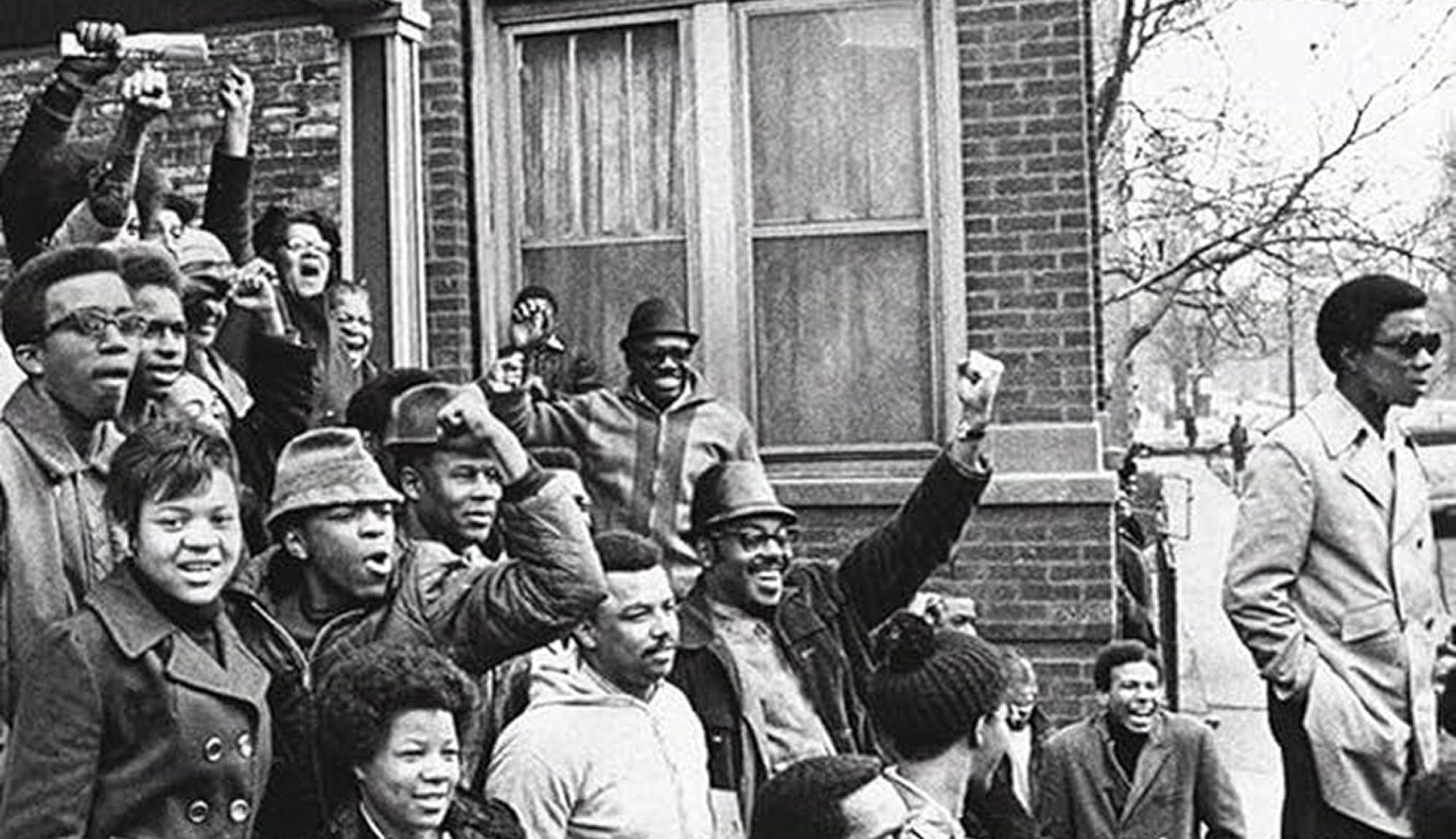
By the 1960s, racist federal policies, municipal resource allocation decisions, and finance and real estate practices had drained wealth from segregated Black urban neighborhoods across the country. In response, activists and intellectuals proposed new ways to revive these communities by fostering reinvestment there. Unfortunately, politicians and business leaders crafted so-called reinvestment programs that ignored or inverted the insights of neighborhood activists and radical intellectuals. Instead, their programs – from aid to businesses that hired the “chronically unemployed,” to government insurance, tax breaks, and other supports for lenders in the 1970s and 1980s, to enterprise zones in the 1990s and onward — simply funneled government money to outside interests. “Cash on the Block” is about what went wrong in the past sixty years’ worth of schemes to revive disinvested neighborhoods, and about what could go right.
Introduced by Daniel Moak, Associate Professor of Government and author of From the New Deal to the War on Schools: Race, Inequality, and the Rise of the Punitive Education State (2022).
Speakers
-

Beryl Satter
Professor Emerita of History, Rutgers University-Newark
Beryl Satter is Professor Emerita of History, Rutgers University-Newark. Her book Family Properties: Race, Real Estate, and the Exploitation of Black Urban America (2009) won the Organization of American Historians’ Liberty Legacy Award for best book in civil rights history and the Jewish Book Council’s National Jewish Book Award in History. She received a Guggenheim Memorial Fellowship and an Andrew Carnegie Fellowship to work on her latest book, Cash on the Block: The Broken Promise of Reinvestment in Black Urban Neighborhoods (Belknap Press of Harvard University Press, May 2026). She is a cofounder, with Darnell Moore and Christina Strasburger, of the Queer Newark Oral History Project, and has received several awards for her work on behalf of LGBT youth.